
Choosing wedding flowers can feel overwhelming—there are countless blooms, colors, styles, and traditions to consider. If you’re new to the process, you might be wondering where to even start. The good news? You don’t need to be a floral expert to make beautiful, meaningful choices.
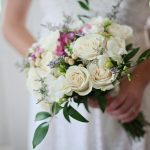
This guide breaks down how to choose the perfect wedding flowers step by step, using clear examples, practical tips, wedding flower must-haves and expert insight from years of real-world wedding planning experience. By the end, you’ll know exactly how to select flowers that match your vision, your venue, and your budget—without stress.
- Why Wedding Flowers Matter More Than You Think
- Step 1: Define Your Wedding Style and Theme
- Step 2: Choose a Color Palette That Works
- Step 3: Understand Seasonal Wedding Flowers
- Step 4: Decide Which Floral Arrangements You Actually Need
- Step 5: Set a Realistic Wedding Flower Budget
- Step 6: Know the Meaning Behind Wedding Flowers (Optional but Meaningful)
- Step 7: Work Effectively With a Wedding Florist
- Common Wedding Flower Mistakes to Avoid
- Expert Tips for Choosing the Perfect Wedding Flowers
- Frequently Asked Questions About Choosing Wedding Flowers
- How far in advance should I choose my wedding flowers?
- What are the most popular wedding flowers?
- Can I choose wedding flowers myself without a florist?
- How do I make my wedding flowers look expensive on a budget?
- Should wedding flowers match the bridesmaid dresses exactly?
- Final Takeaway: Choose Wedding Flowers With Confidence
Why Wedding Flowers Matter More Than You Think
Wedding flowers do more than decorate a space. They:
- Set the overall mood and style of your wedding
- Tie together colors, outfits, and décor
- Appear prominently in photos and videos
- Carry emotional and symbolic meaning
From the bridal bouquet to the ceremony arch, flowers quietly shape how your wedding feels. Choosing them thoughtfully makes a noticeable difference.
Step 1: Define Your Wedding Style and Theme
Before looking at specific flowers, get clear on your overall wedding vision.
Ask Yourself These Questions:
- Is my wedding formal or casual?
- Is it romantic, modern, rustic, bohemian, or classic?
- Will it be held indoors or outdoors?
- What season am I getting married in?
Common Wedding Styles and Matching Floral Vibes
| Wedding Style | Floral Look |
|---|---|
| Classic | Roses, peonies, elegant arrangements |
| Rustic | Wildflowers, greenery, loose bouquets |
| Modern | Minimalist designs, monochrome flowers |
| Boho | Dried florals, pampas grass, textured blooms |
| Garden | Soft pastels, seasonal flowers, organic shapes |
Your flowers should support your theme, not compete with it.
Step 2: Choose a Color Palette That Works
Your floral colors should blend seamlessly with your wedding palette.
Best Practices for Flower Colors:
- Match flowers to bridesmaid dresses and décor accents
- Use 1–3 main colors for a cohesive look
- Add greenery or neutral tones for balance
Expert Tip: White flowers are timeless, but adding subtle color creates depth and photographs better than all-white arrangements.
Step 3: Understand Seasonal Wedding Flowers
One of the biggest beginner mistakes is choosing flowers that aren’t in season.
Why Seasonality Matters:
- Seasonal flowers are fresher
- They’re more affordable
- They’re easier for florists to source
Popular Flowers by Season
| Season | Common Wedding Flowers |
|---|---|
| Spring | Tulips, peonies, ranunculus |
| Summer | Roses, dahlias, sunflowers |
| Fall | Chrysanthemums, marigolds, asters |
| Winter | Amaryllis, anemones, evergreens |
Pro Insight: If you love an out-of-season flower, ask your florist about alternatives that look similar but cost less.
Step 4: Decide Which Floral Arrangements You Actually Need
You don’t need flowers everywhere. Focus on areas that create the most visual impact.
Essential Wedding Flower Elements:
- Bridal bouquet
- Bridesmaid bouquets
- Boutonnieres and corsages
- Ceremony arrangements
- Reception centerpieces
Optional Floral Add-Ons:
- Floral arches or backdrops
- Aisle markers
- Cake flowers
- Welcome table arrangements
Actionable Tip: Prioritize ceremony and reception flowers—those appear in the most photos.
Step 5: Set a Realistic Wedding Flower Budget
Most couples spend 7–15% of their total wedding budget on flowers.
Factors That Affect Cost:
- Flower type and season
- Arrangement size and complexity
- Installation labor
- Delivery and setup
Budget-Saving Strategies:
- Use more greenery and fewer premium blooms
- Repurpose ceremony flowers at the reception
- Choose locally grown flowers
Common Mistake to Avoid: Falling in love with Pinterest photos without checking if they fit your budget.
Step 6: Know the Meaning Behind Wedding Flowers (Optional but Meaningful)
Some couples enjoy choosing flowers with symbolism.
Popular Wedding Flower Meanings:
- Roses – Love and passion
- Peonies – Happy marriage and prosperity
- Lilies – Purity and commitment
- Baby’s breath – Everlasting love
While symbolism isn’t required, it adds a personal layer to your choices.
Step 7: Work Effectively With a Wedding Florist
A professional florist can turn your ideas into reality—if you communicate clearly.
How to Prepare for a Florist Consultation:
- Bring inspiration photos
- Share your budget honestly
- Describe your venue and guest count
- Be open to suggestions
Expert Insight: Trust experienced florists. They understand logistics, flower durability, and what looks best in real wedding settings—not just photos.
Common Wedding Flower Mistakes to Avoid
Avoid these beginner pitfalls:
- Choosing flowers before selecting a venue
- Ignoring flower seasonality
- Overdecorating every space
- Not considering scent (strong smells can overwhelm)
- Forgetting about flower durability in heat or cold
Expert Tips for Choosing the Perfect Wedding Flowers
- Think long-term: Photos last forever—choose flowers you’ll still love years from now
- Balance trends with timelessness: Trends fade, classics endure
- Texture matters: Mix soft blooms with structured greenery
- Less can be more: Simple arrangements often look more elegant
Frequently Asked Questions About Choosing Wedding Flowers
How far in advance should I choose my wedding flowers?
Most couples book a florist 6–9 months before the wedding to ensure availability and planning time.
What are the most popular wedding flowers?
Roses, peonies, hydrangeas, and ranunculus are consistently popular for their beauty and versatility.
Can I choose wedding flowers myself without a florist?
Yes, but DIY flowers require time, storage, and skill. For large weddings, a professional florist is strongly recommended.
How do I make my wedding flowers look expensive on a budget?
Use greenery, limit premium blooms, and focus arrangements on key areas like the ceremony backdrop.
Should wedding flowers match the bridesmaid dresses exactly?
Not exactly. Complementary shades usually look more natural and visually appealing.
Final Takeaway: Choose Wedding Flowers With Confidence
Choosing the perfect wedding flowers isn’t about memorizing flower names or following trends—it’s about making intentional choices that reflect your style, season, and story.
Start with your vision, respect your budget, and work with professionals who understand both beauty and practicality. When done right, your wedding flowers won’t just decorate your day—they’ll elevate it.
Ready to take the next step? Start gathering inspiration, talk to a trusted florist, and choose flowers that feel authentically you.